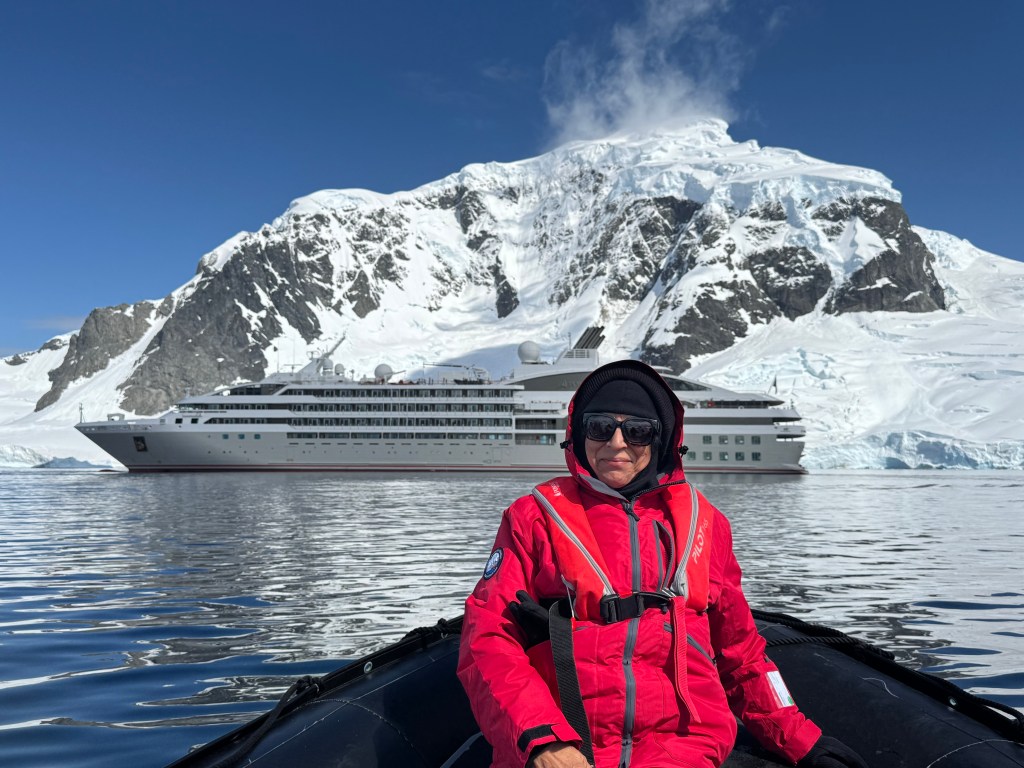
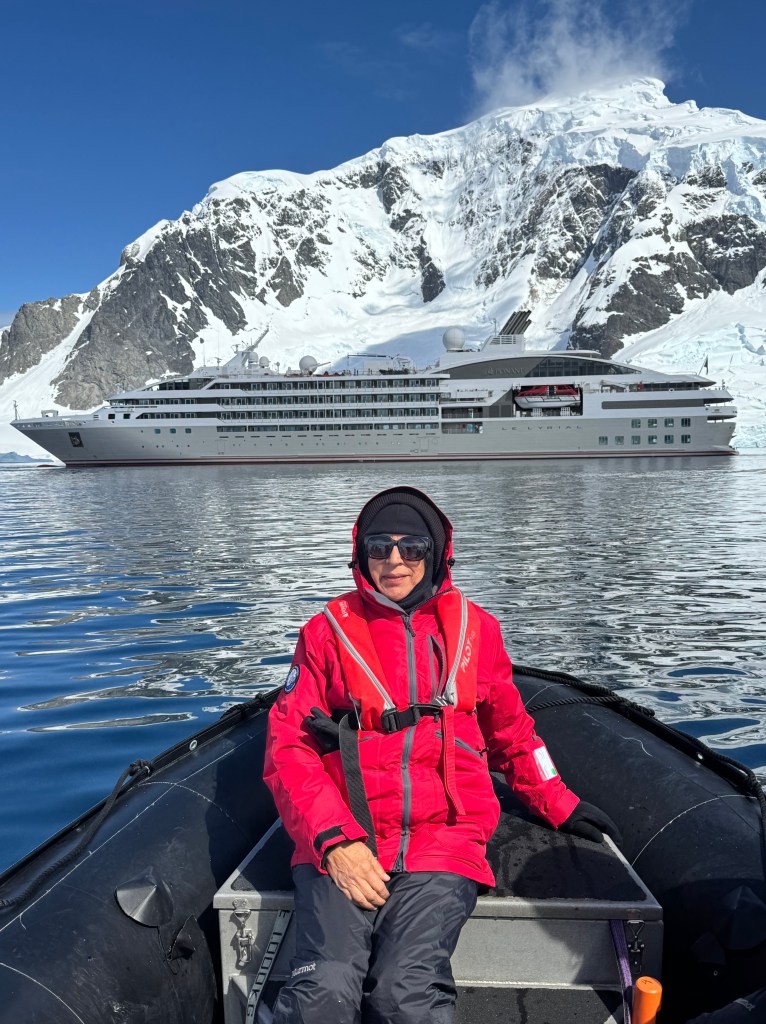
• Travel has been a thread running through my life for more than twenty five years, yet I never imagined that it would carry me all the way to Antarctica.
    The frozen continent was not even on my horizon, certainly not after my husband’s accident, which left him physically disabled and dependent on a walker.

    Since the year 2017 we had resumed traveling carefully, choosing destinations where accessibility was possible. But Antarctica felt unthinkable.
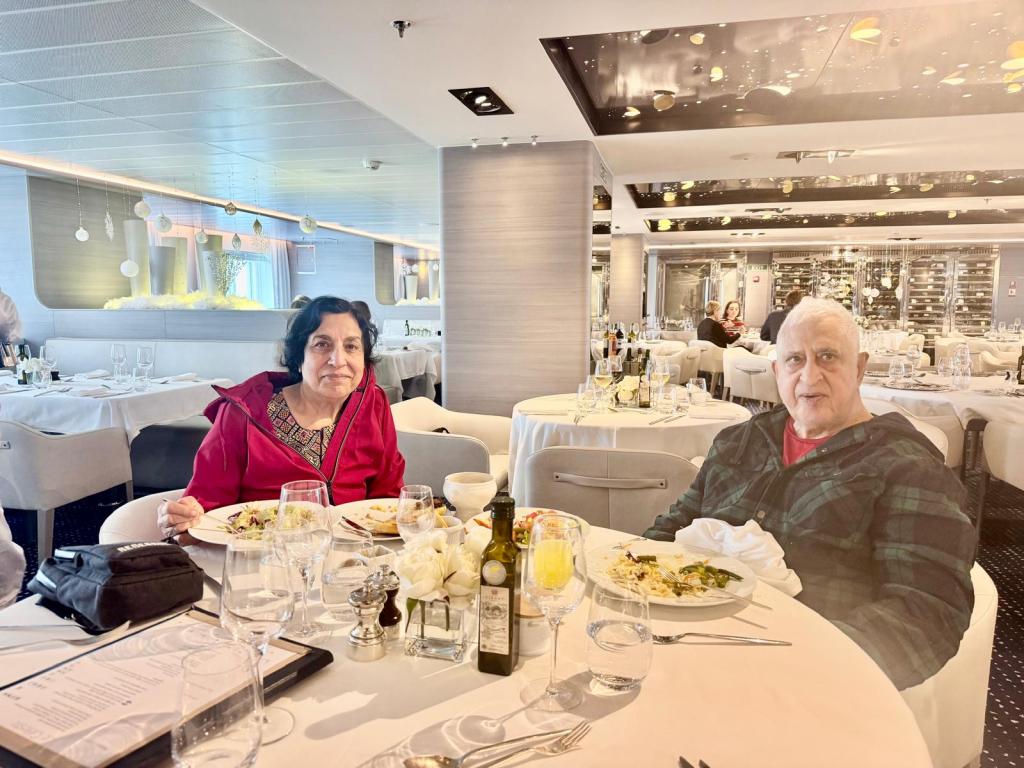
    Until one unexpected lunch changed everything. In the year 2019 we were on a Seabourn cruise to Australia and New Zealand. It was a smaller ship with a little over three hundred passengers, which allowed for more personal interactions with the performers and speakers on board.

    At one lunch we were seated with a scientist who had just presented on Antarctica. Half curious and half doubtful, I asked him, “Do you think someone like my husband, who uses a walker, could go to Antarctica?” His reply was simple and unforgettable: “We have taken a man with no legs.” That line stayed with me.
    Then came the period of COVID, and like everyone else we paused our journeys. But the seed had been planted. In late 2024, after a trip to India, the Antarctica dream resurfaced. I began calling tour companies in the month of November, just weeks before the peak Southern Hemisphere season. Accessible cabins are extremely limited, and I told myself that without one, we would not go.

    When Abercrombie and Kent Cruise Company said yes, an accessible cabin was available, I did not hesitate. We booked immediately. Our journey began on December 18/2024.
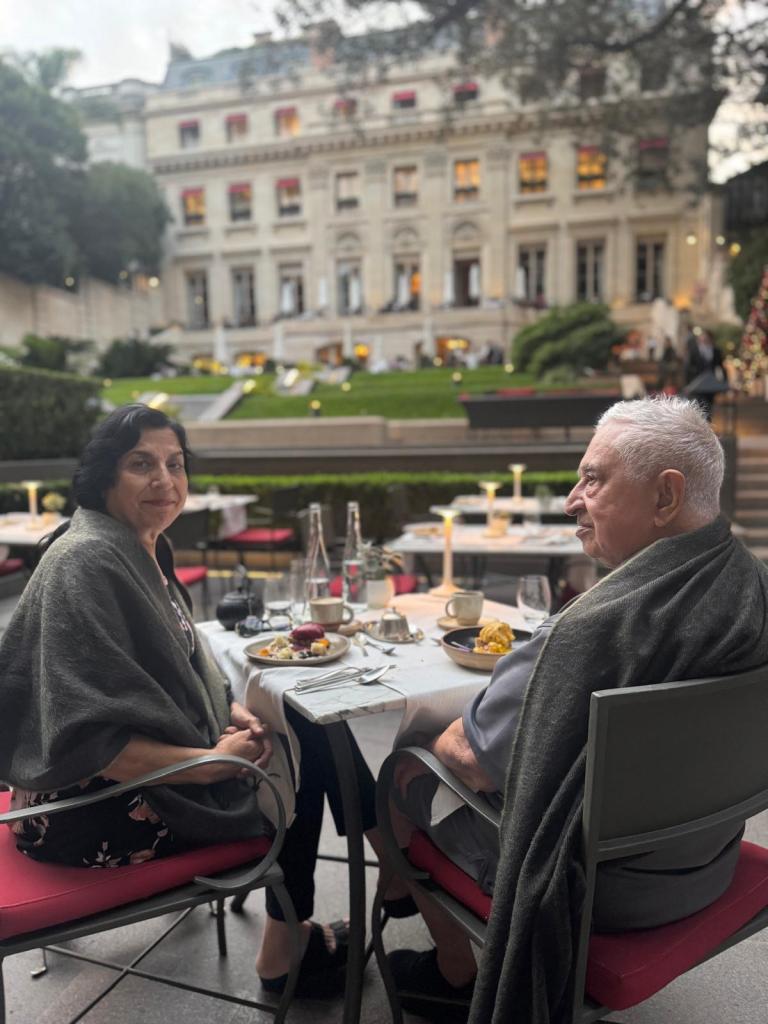
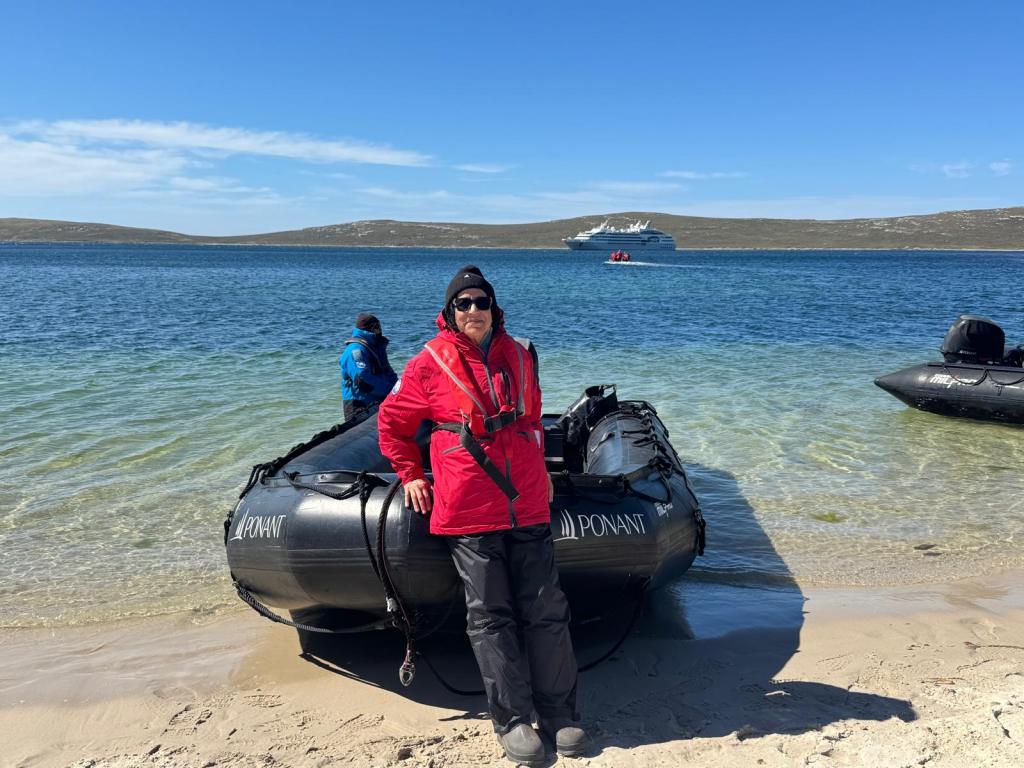
    From Dallas we flew to Buenos Aires, where we spent two lively nights soaking in tango rhythms and the city’s European charm. A short flight then took us to Ushuaia, the southernmost city in the world, known as the end of the earth. There we boarded our expedition ship.

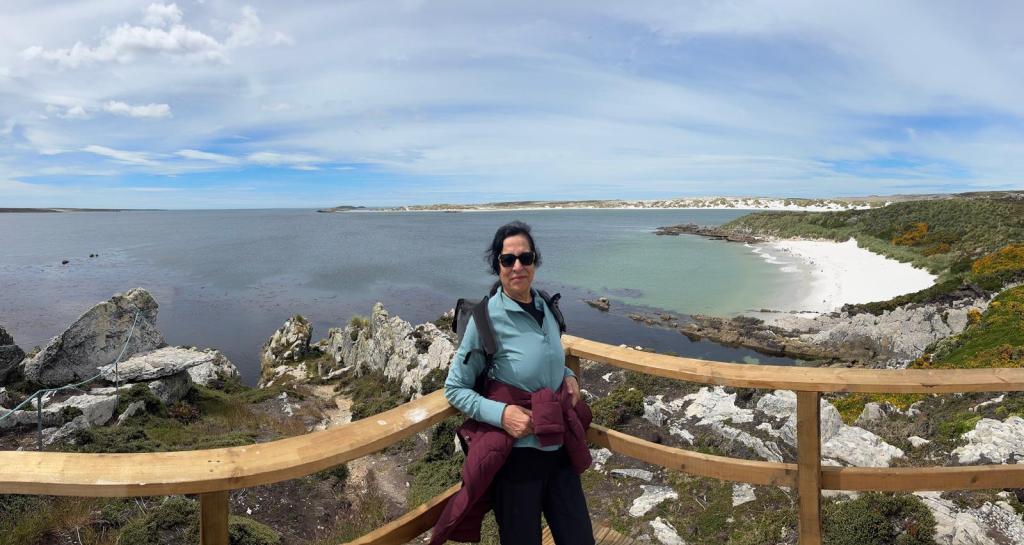
    The voyage carried us first to the Falkland Islands, then to the wildlife paradise of South Georgia, and finally, to the great white continent itself.
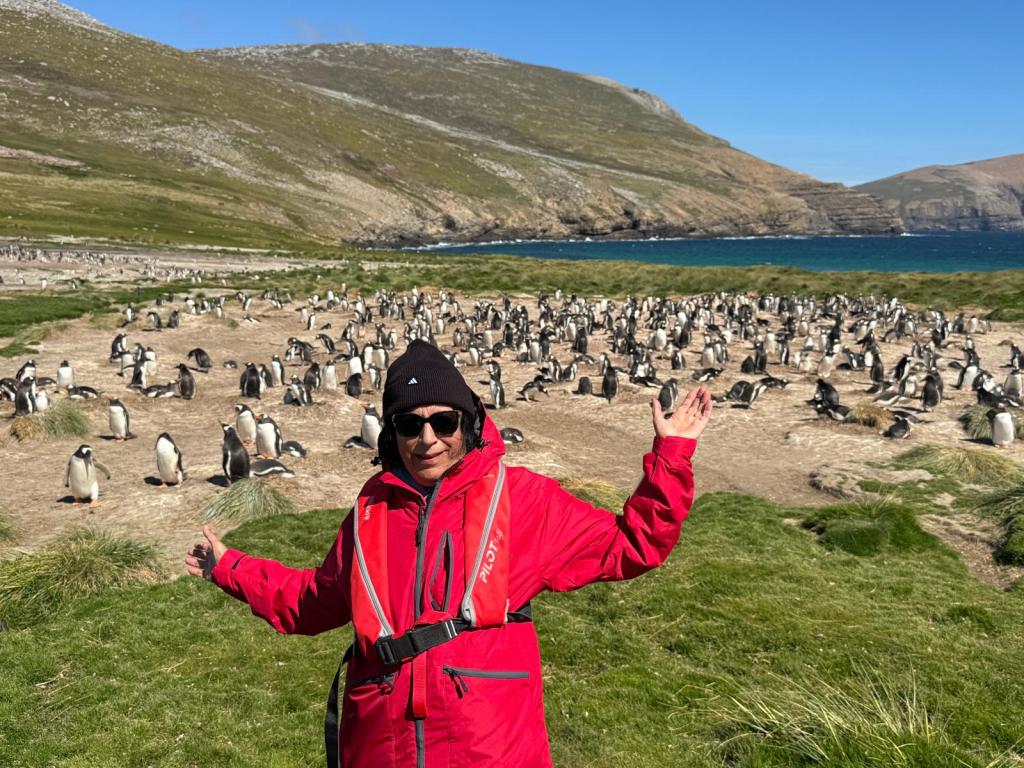
    Each stop revealed another world: vast glaciers, towering icebergs, colonies of penguins stretching as far as the eye could see, seals basking on the shores, and skies filled with seabirds. The stillness of Antarctica was unlike anything I had ever experienced, majestic, humbling, and almost sacred.
    I even took the polar plunge, leaping into the freezing Antarctic waters, a thrill etched forever in memory.

    The return was not without challenge. The infamous Drake Passage reminded us why sailors call it one of the roughest seas in the world. The ship rocked so fiercely that at night I needed the crew’s assistance to help my husband to the bathroom. Yet even those moments became part of the adventure, proof that travel tests us as much as it delights us.

    On January 9th/2025, we returned to Ushuaia, then to Buenos Aires, and finally home to Dallas. We carried with us not just photographs of ice and wildlife, but the quiet awareness that we had touched the edge of the world.

    This journey was born from a single conversation over lunch. It grew into one of the most meaningful experiences of our lives, a reminder that sometimes the most impossible dreams are only waiting for us to ask, “Is it possible?”

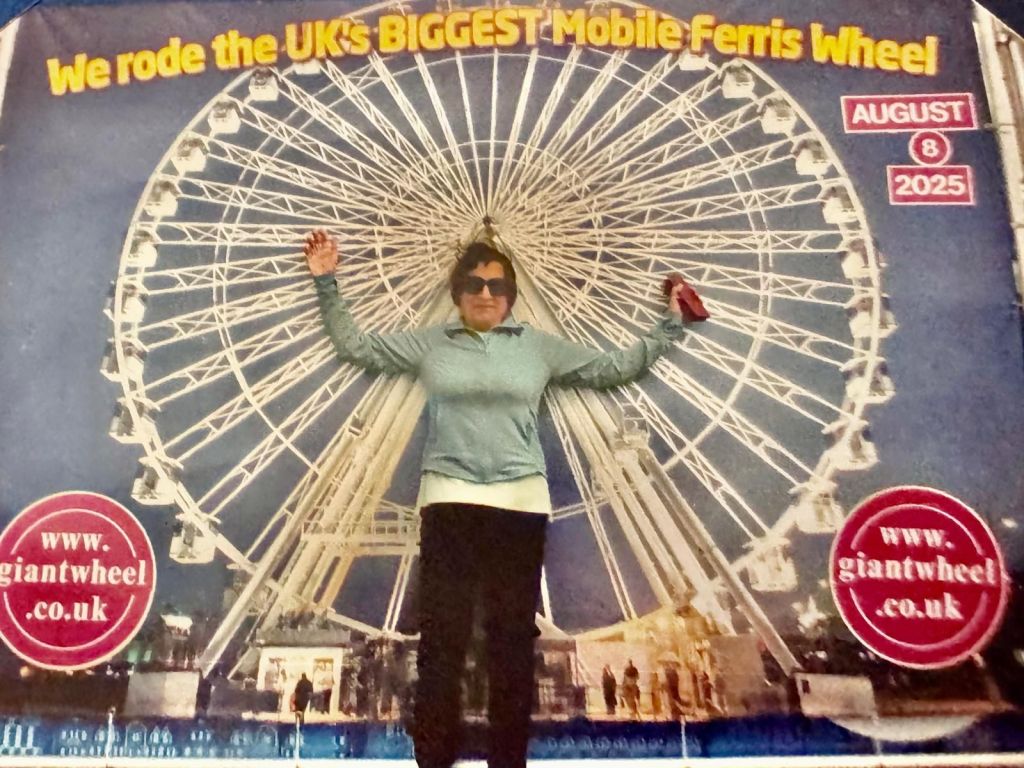
  • I recently returned from a 12-night cruise of the British Isles (August 3 to August 15, 2025), which began from Amsterdam, Netherlands.

    From that vibrant city, our ship sailed to explore the coasts and history of the United Kingdom and the Republic of Ireland, and I would like to share my experience of being in this part of the world.

    Before I describe what I experienced, let me explain a bit of geography I learned along the way.

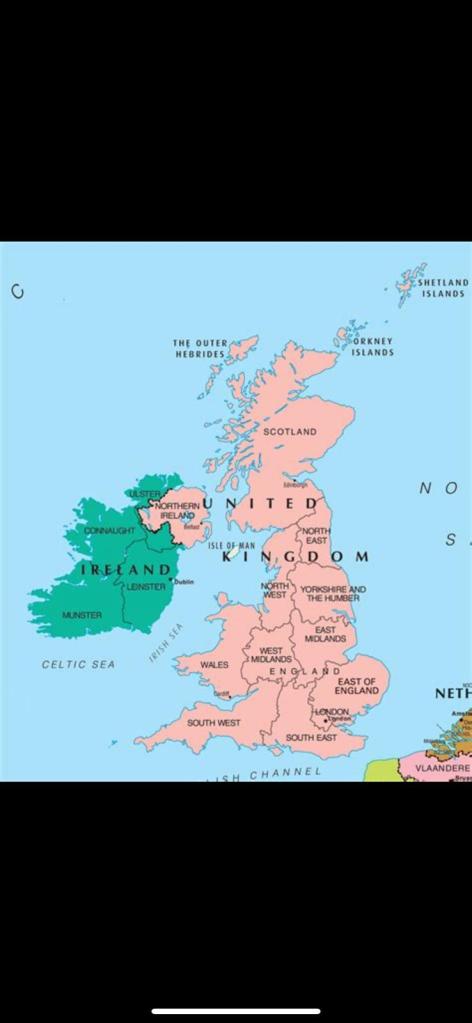
    Great Britain, also simply called Britain, is made up of three regions: England, Scotland, and Wales. The United Kingdom includes all of Great Britain plus Northern Ireland. Then there is the Republic of Ireland, which is a completely independent country.

    Technically, the term “British Isles” refers to all of these islands together, but people in the Republic of Ireland generally dislike having that term associated with their country.

    Nevertheless, that was the official name of our cruise, which visited ports in both the United Kingdom and the Republic of Ireland.

    Exploring this small nation of Britain was unforgettable. It is astonishing to think that this tiny country, home to only a fistful of people, once ruled and controlled hundreds of millions across vast parts of the world: India, much of Asia, Africa, the Americas, Australia, New Zealand, the Caribbean, the Middle East, and far-off Pacific islands.

    Not millions, but only tens of thousands left Britain, yet they sailed across oceans and took control of lands far from home.

    What kind of determination, ambition, and perhaps stubbornness did that take? What kind of DNA drove them to keep going for centuries? They divided, ruled, and shaped cultures worldwide. Good or bad, they did it.

    Today, the empire’s glory has faded, but walking the streets and standing in places that once commanded the world was both eye-opening and profound.

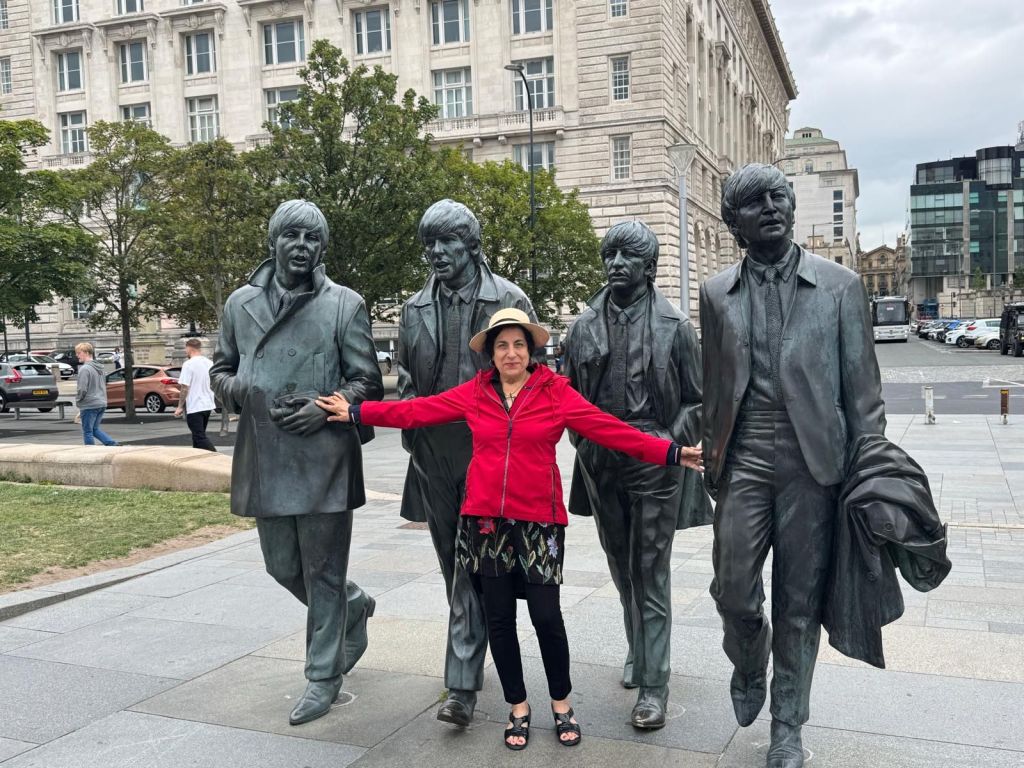
    We visited eight cities along the coasts of these lands. In England, we visited Dover and Liverpool, with Liverpool being the home of the Beatles.

    In Scotland, we explored Glasgow and Inverness.

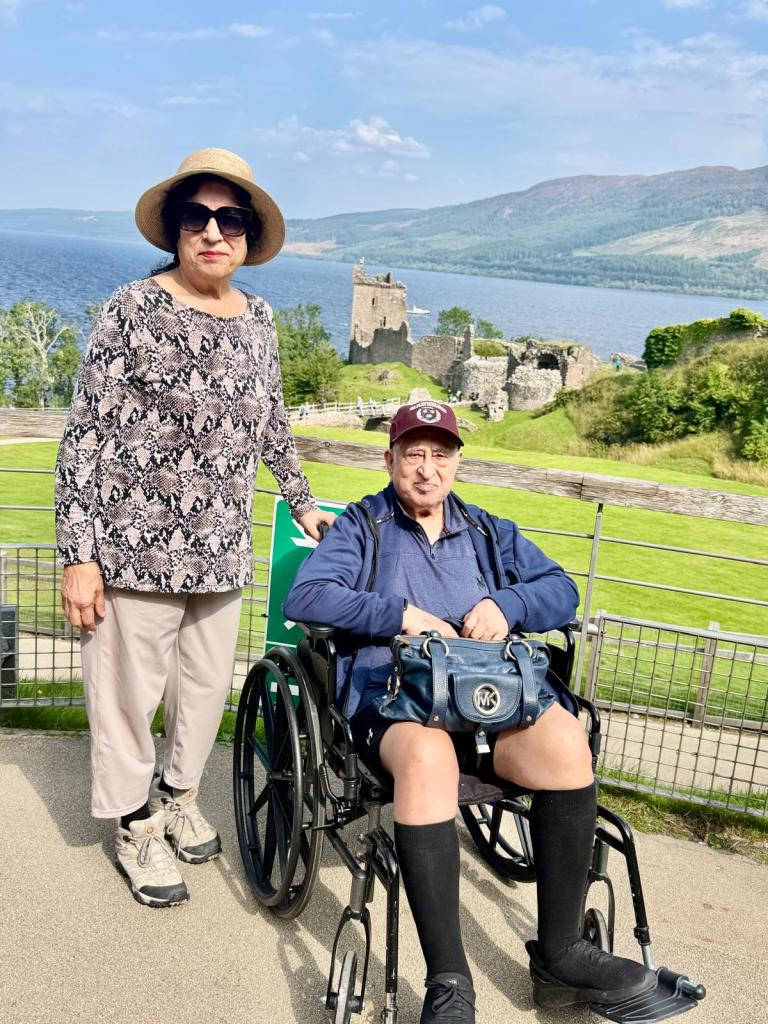
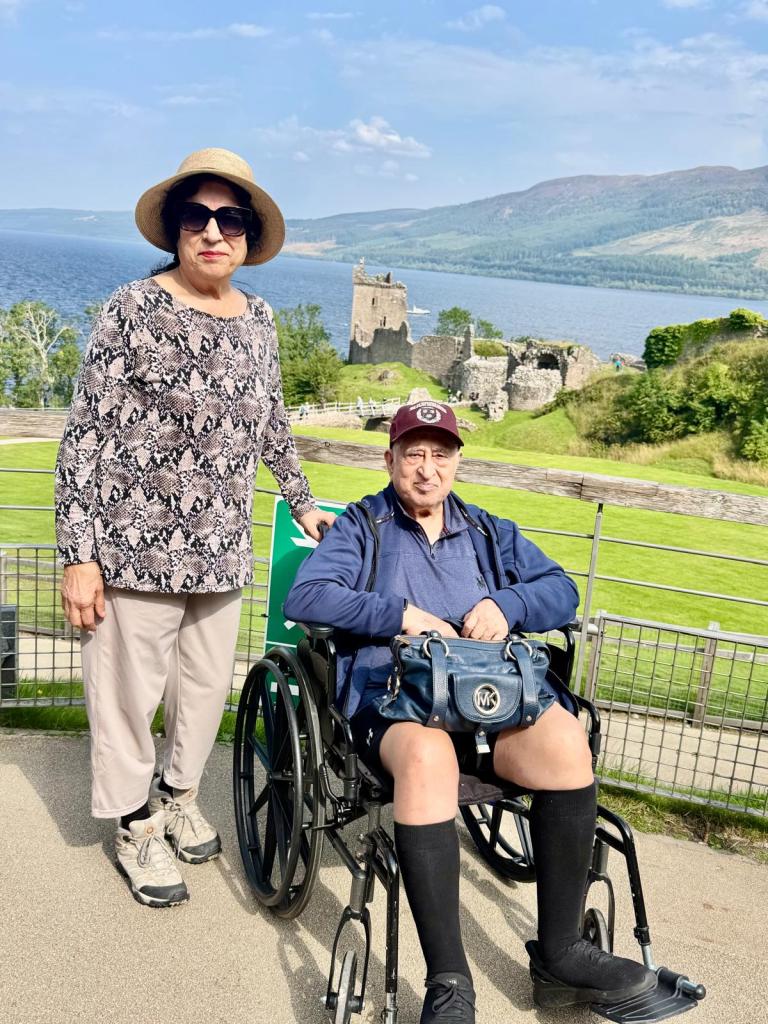
    (In front of Urquhart Castle in Inverness, Scotland)

    Wales welcomed us at HolyHead. In Northern Ireland, we visited Belfast, where the Titanic was built in 1912. In the Republic of Ireland, we enjoyed the cities of Waterford and Cork.

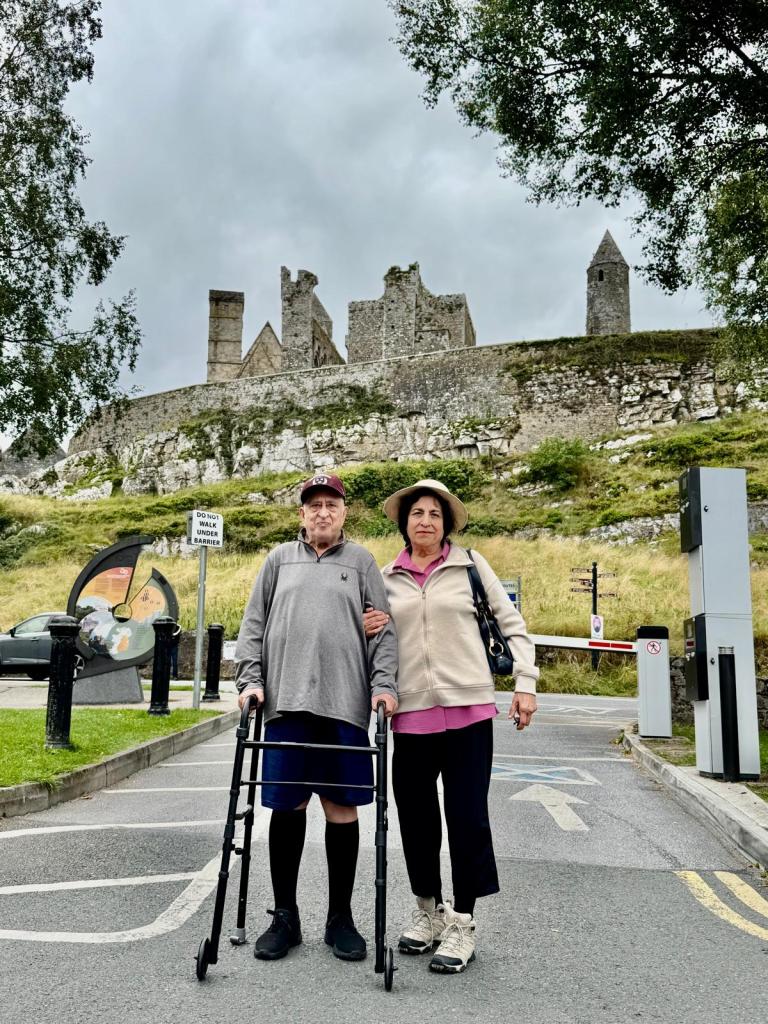
    (In front of Rock of Cashel in Republic of Ireland)

    One thing tied all these places together was the presence of castles.

    The scenery throughout the trip was breathtaking. We were surrounded by water in all its forms: oceans, rivers, and lakes, along with rolling green hills, mountain ranges, dramatic coastal views, farmland, and even the occasional waterfall.

    We were fortunate with the weather as well. The days we spent in port were filled with sunshine, making every excursion even more enjoyable.

    The experience of this journey is imprinted in my mind and will remain a lasting part of my life. It was the feeling of walking in the very places from which this small group of people once set out to rule much of the world that stayed with me, before returning to Amsterdam where the journey had begun.

  • विचारों के सरोवर में छपाक

    मस्तिष्क के सरोवर में

    विचारों के पानी पर,

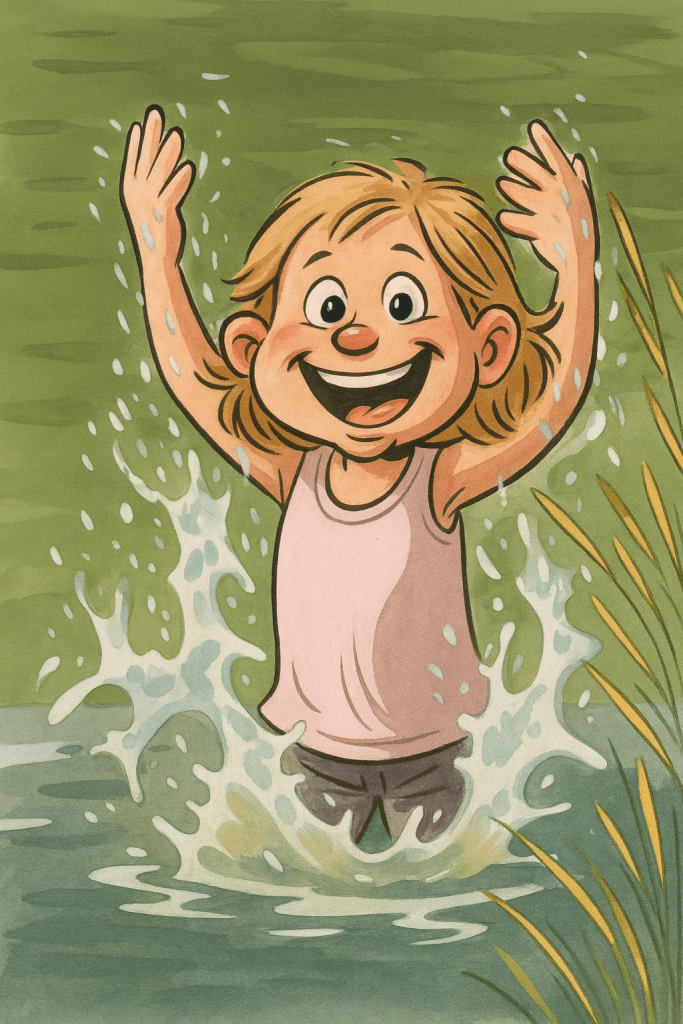
    यूँ ही कभी बच्चे की तरह

    अपने पूरे सामर्थ्य से

    हाथ मारकर हिला डालना,

    ढुलका देता है पानी कितना,

    कितनी बूँदें उछाल देता है।

    यद्यपि ऐसा करना

    ज़िंदगी में कुछ जोड़ता नहीं,

    परंतु कुछ पलों की यह अनुभूति —

    हाथ मारकर किलकने का मज़ा —

    अवश्य दे जाती है,

    जो कैसे भी हो,

    ज़िंदगी को बनाने वाली

    कार्यों की कड़ियों की श्रृंखला को

    मज़बूत अवश्य कर जाती है। 

    ✍🏻

     लेखिका: निशि भाटिया

  • A Journey of Strength, Karma, and Love was something I wrote when someone approached me for a book they were putting together on caregiving for the elderly. They asked me to share my thoughts—not just as someone who is now a senior myself, but also as a caregiver to my elderly husband. They wanted to understand my perspective, my experience, and the emotional and spiritual path this journey has taken me on. So this piece was written from that space—with honesty, love, and a deep sense of reflection.

    *A Journey of Strength, Karma, and Love*

    By Nishi Bhatia
    ———————————

    I remember the date vividly—February 26, 2016. My husband, then 75 years old, healthy and fully independent, suffered a devastating accident that nearly claimed his life. I wasn’t home at the time, and he lay helpless on the floor for six agonizing hours, with no one there to help.

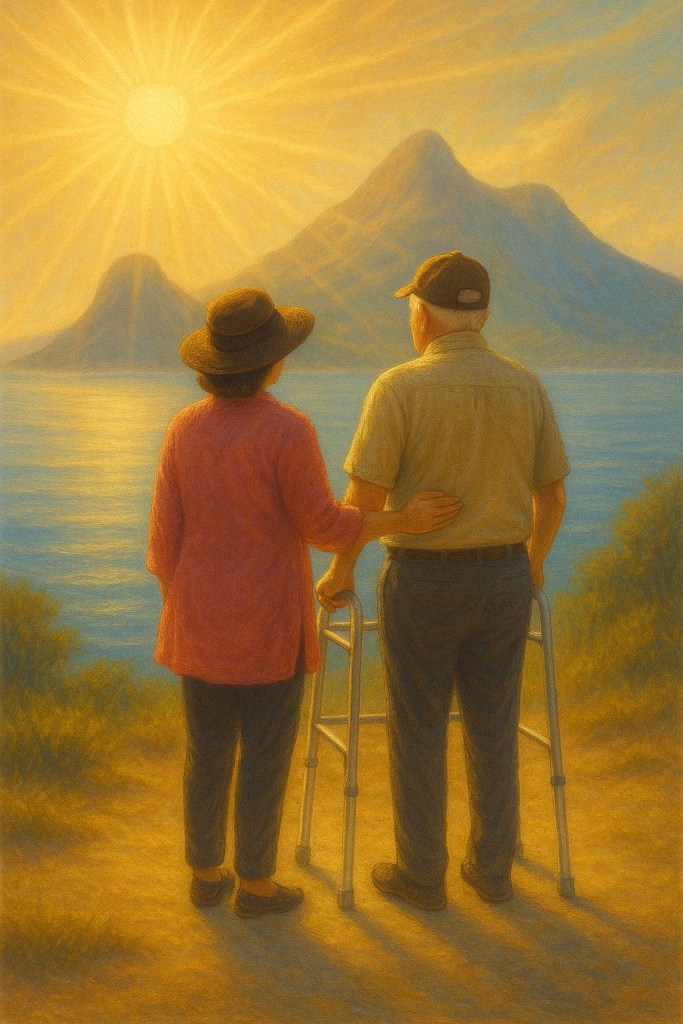
    His road to recovery took nearly a year. It required the dedicated care of our three children, along with hospital stays, multiple surgeries, intensive rehabilitation, and every form of therapy we could find—modern, natural, and ancient. In time, he was able to stand again. But to this day, a walker remains his constant companion. That part of our life hasn’t changed—and may never.

    But I’ve come to believe that life is not defined by what happens to us.
    It is defined by how we respond.

    It is in our response that we find our strength, build our character, and open the door to inner transformation. 

    I believe the cards we are dealt come from karma—both from this life and those before. But how we play those cards is our free will. When we act with awareness and intention, even the toughest karmas can begin to shift—starting with the state of our own mind.

    We’ve been married for approximately 40 years, and like any long relationship, we’ve faced all kinds of challenges—emotional, cultural, personal, and practical. I’m a strong, independent woman; he is a strong, traditional Indian man. There were moments when our marriage could have—and by all logic, perhaps should have—fallen apart. But I give more than 1000% credit to my husband for honoring our bond. It was his vision and unwavering commitment during the most crucial times that kept us together.

    As for me, I’ve always found joy in helping and supporting—as long as I can create peace and harmony with those around me. That has been my compass, even during the most turbulent times.

    To me, life is made up of five essential dimensions: physical, mental, emotional, financial, and spiritual. Of these, I believe physical disability is the least limiting when it comes to living a full and meaningful life. With spiritual depth, mental clarity, emotional resilience, and financial balance, one can lead a life of great purpose—regardless of physical constraints.

    I’ve been a passionate traveler for over 25 years.
    But after my husband’s accident and recovery, travel took on a new meaning. It became a mission—a declaration that physical limitations would not limit the spirit.

    Since January 2017, we’ve traveled together to more than 50 countries, across all 7 continents. 

    I have not left his side—not for a single day. For nearly a decade, I’ve been his full-time caregiver. And through it all, we’ve chosen to live fully, gratefully, and fearlessly.

    Some say travel is possible only with physical strength and financial means. That may be true to an extent—but it’s not the full picture. Beyond those basics, it takes something more: the courage to step out of your comfort zone, the willingness to face the unknown, and the curiosity to embrace the unfamiliar. It takes resilience to adapt to the unexpected, and openness to connect with people and cultures different from your own—and so much more.

    I say this not in theory—but from lived experience.

    For the past approximately nine years, ever since my husband’s near-fatal accident, I’ve carried all these qualities with me on every journey. We’ve explored the world together—despite every challenge. And in doing so, we’ve proven that with love, care, courage, and determination, boundaries are nothing more than lines waiting to be crossed.

    Today, I am 72 years old. My husband is 85.
    We are both senior citizens—and we’re still going strong.

    In the end I will say that it is the power of perception that shapes our destiny far more than the external circumstances.

    It’s not just about surviving—it’s about choosing to thrive, to live meaningfully, and to create harmony wherever we go.

  • In May 2025, we spent ten days in Bhutan, followed by two nights in Delhi, and then a four-day trip to Dubai and Abu Dhabi in the UAE.

    These two places couldn’t be more different, and experiencing them one after the other made this journey truly special and thought-provoking.

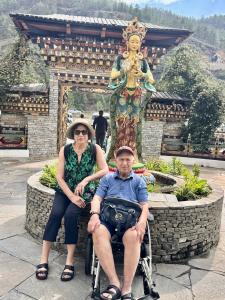
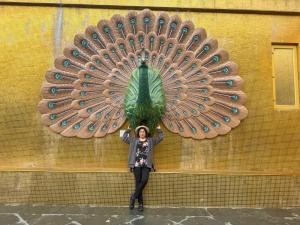
    Bhutan felt like a different world. It’s a small, peaceful country in the Himalayas, where life moves slowly and calmly. People are simple, kind, and deeply spiritual. Nature is untouched, and the environment feels pure and serene. There are no tall buildings or noisy roads—just green mountains, fresh air, and a deep sense of inner peace. Bhutan measures its progress through Gross National Happiness, not just money or development. Being there made us feel grounded and connected to something deeper. It reminded us of the beauty of silence, simplicity, and inner joy.

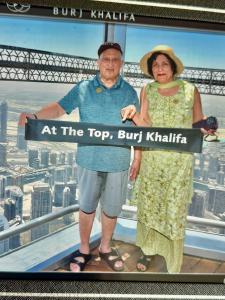
    Then we arrived in the UAE—Dubai and Abu Dhabi. The contrast was striking. Dubai is filled with skyscrapers, highways, luxury malls, and countless American stores, franchises, and restaurants. It felt like a mini-America in the desert. Life there is fast-paced, modern, and focused on growth and entertainment. We visited iconic places like Burj Khalifa, enjoyed a Marina dinner cruise, explored Ferrari World and Heritage Village, and had lunch at the grand Emirates Palace in Abu Dhabi. The scale of everything was impressive.

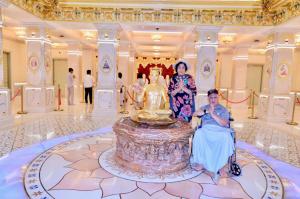
    Amidst all this, one experience stood out—our visit to the BAPS Swaminarayan Hindu Temple in Abu Dhabi. A Hindu temple built with such beauty and devotion in a Muslim country was a powerful reminder of faith, unity, and shared humanity. We also visited the Grand Mosque, which offered another peaceful and spiritual moment, even in the midst of a very modern setting.

    So what did this journey mean to us?

    Bhutan showed us the spiritual side of life—calm, quiet, and inward. The UAE showed us the material side—dynamic, outward, and full of ambition. And both are real. Both are needed. Life isn’t only about renouncing the world or chasing success—it’s about knowing how to stay balanced between the two.

    The real lesson is about finding balance between materialism and spiritualism. Knowing when to slow down and when to move forward. When to reflect within, and when to act in the world. One without the other feels incomplete.

    This journey helped us experience both aspects—spiritual and material—and reminded us that true happiness comes when we live with awareness, balance, and harmony between these two worlds.

    In Dubai

    A beautiful Hindu Temple (Swami Narayan) in a Muslim Country Abudabi of UAE.

    In Bhutan

    In Bhutan